

Walk into enough kebab shops in Singapore and you’ll see the same thing called three different names. Doner. Shawarma. Gyro. Sometimes all on one menu.
Are they the same? Not quite. They’re family, but each has its own roots, spices and way of being served. Here’s the no-nonsense breakdown.
The Short Answer
All three are meat stacked on a vertical rotisserie, grilled as it turns, and shaved off in thin slices. The differences come down to where they’re from and how they’re served:
- Doner kebab is Turkish. Milder seasoning, served in pita, flatbread or a wrap with salad and sauce.
- Shawarma is from the Levant. More heavily spiced, rolled in thin flatbread with pickles and tahini or garlic sauce.
- Gyro is Greek. Served in a thick, soft pita with tzatziki, tomato, onion and often fries tucked inside.
Fun fact: all three names mean roughly the same thing. They all come back to the idea of “turning”.
Doner vs Shawarma vs Gyro at a Glance
| Doner Kebab | Shawarma | Gyro | |
| Where it’s from | Turkey | The Levant (Lebanon, Syria and neighbours) | Greece |
| What the name means | From Turkish döner, “turning” | From Turkish çevirme, “turning” | From Greek gyros, “turn” |
| Seasoning | Mild and herby – more ‘meat forward’ | Bold, warm spices like cumin, turmeric and cinnamon = more spice forward | Mediterranean herbs like oregano – similar to the turks |
| Bread | Pita, flatbread or wrap | Thin flatbread, rolled tight | Thick, fluffy pita |
| Signature sauce | Yogurt-based or chilli sauce | Tahini or garlic sauce | Tzatziki |
| Typical extras | Lettuce, tomato, onion | Pickles, parsley, tomato | Tomato, onion, often fries |
Doner Kebab: The OG
The doner is where it all started. The vertical rotisserie traces back to the 19th-century Ottoman Empire, with the city of Bursa often credited as its birthplace.
The doner most of the world knows, meat stuffed into bread with salad and sauce, took off in Germany in the 1970s, where Turkish migrants turned it into a street food icon. From there it spread across Europe and beyond.
What to expect: a milder, meat-forward flavour. The marinade supports the meat rather than overpowering it. Usually served in a pita or a wrap, with fresh salad and a creamy or chilli sauce.
Shawarma: The Middle Eastern Cousin
Shawarma is the doner’s Levantine cousin. Same rotisserie idea, very different personality.
The spice blend is the giveaway. Shawarma is marinated with warm spices like cumin, turmeric and cinnamon, so it’s more aromatic and intense than a doner. It’s usually rolled tight in thin flatbread with pickles and a drizzle of tahini or garlic sauce.
Chicken shawarma is especially popular in Singapore. If that’s what you’re craving, we’ve put together a guide on finding chicken shawarma in Singapore.
Gyros: The Greek God of Kebabs
The gyro is Greece’s take on rotisserie meat. It’s believed to have arrived in Greece with refugees from Anatolia in the early 20th century, then became a national favourite.
What to expect: thick, soft pita, cool tzatziki, tomato and onion. Many Greek gyros also have fries tucked right inside the wrap. Herbs like oregano give it a Mediterranean flavour.
Halal heads-up: in Greece, gyros are often made with meat that isn’t halal. If you’re halal-observant and ordering one overseas, always check first.
The Rest of the Rotisserie Family
The rotisserie family tree keeps growing:
- Halal Snack Pack (HSP): Australia’s contribution. Doner-style meat piled over fries and drenched in sauce. We’ve covered the rise of HSP kebabs in Singapore.
- Burritos: often lumped in with kebab wraps, but a completely different dish. Here’s the kebab vs burrito breakdown.
Singapore Kebab Shops: Are You Confused Too?
You’re not alone. Menus here often use “doner”, “shawarma” and “gyro” interchangeably. One shop’s shawarma is another shop’s doner.
Honestly? The label matters less than three things:
- Is the meat carved fresh off the rotisserie, to order?
- Is it halal-certified by MUIS? (Not just “no pork, no lard”.)
- Are the sauces made in-house?
Get those three right and you’re eating well, whatever the menu calls it.
So What Does EPIKebabs Serve?
People ask us this all the time. Are we Turkish? Arabic? Shawarma? Doner?
Nah. We’re EPIK.
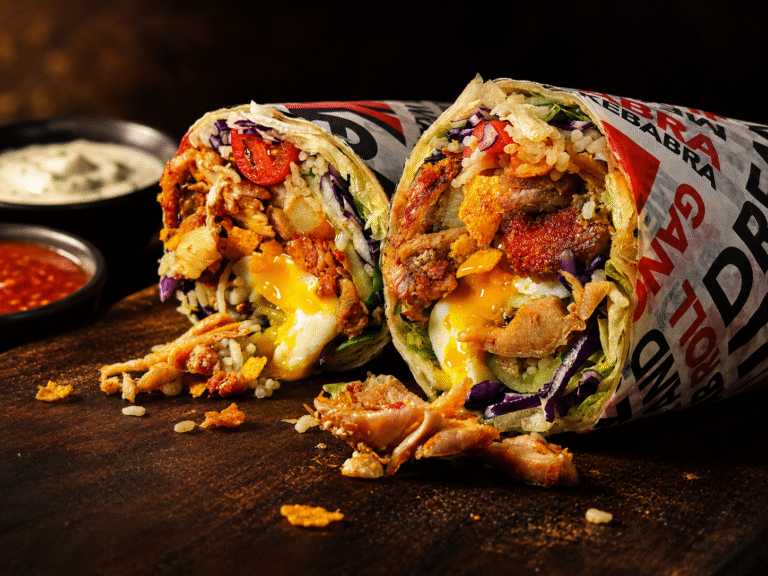
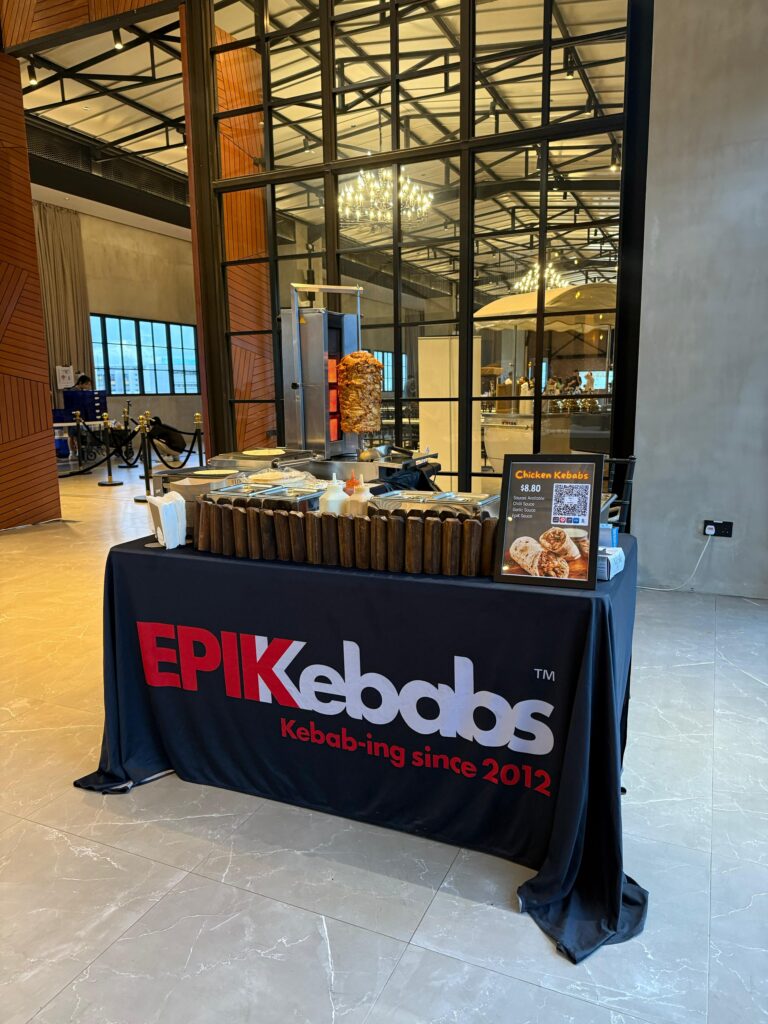
Our method is closest to the doner. We hand-stack beef and chicken on a vertical rotisserie, grill it fresh daily, and carve it to order. But the marinade is our own blend of herbs and spices, and the menu is built for Singapore taste buds:
- Indomeeat™: kebab meat on Indomie
- Kebab John: a kebab and a roti john in one
- Kebab on Fries (HSP): our take on Australia’s favourite
- Ikan bilis and chilli padi as toppings, because why not?
Everything is halal-certified by MUIS, and our sauces, hummus and falafel are made from scratch every day. It’s how we became known for the best kebabs in Singapore since 2012.
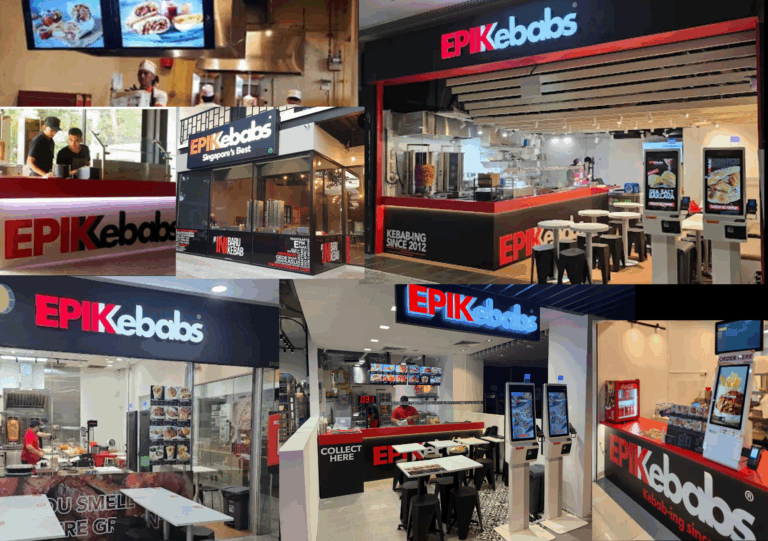
Find us at Aperia Mall, Sunshine Plaza, CIMB Plaza, East Village (takeaway only) and Galaxis, or order online.
FAQs About Doner, Shawarma and Gyros
What’s the difference between a kebab and a shawarma?
Both use meat grilled on a vertical rotisserie. A doner kebab is Turkish, milder and usually served in pita or a wrap. Shawarma is from the Levant, more heavily spiced, and rolled in thin flatbread with tahini or garlic sauce.
Is a gyro the same as a doner kebab?
No. They’re related, but the gyro is Greek. It’s served in thick pita with tzatziki and often fries inside, and the seasoning leans on Mediterranean herbs.
Which is spicier, doner or shawarma?
Shawarma is usually more heavily spiced, with warm aromatics like cumin and cinnamon. That doesn’t always mean chilli-hot, just more intense.
Are doner, shawarma and gyros halal?
It depends on the meat and the shop. In Singapore, look for a MUIS halal certificate. Every EPIKebabs outlet is MUIS-certified.
What kind of kebab does EPIKebabs serve?
Singapore-style kebabs. Our beef and chicken are grilled on a vertical rotisserie like a doner, marinated in our own blend of herbs and spices, and served in local creations like the Indomeeat™ and Kebab John.