
Kebab Power: Whole Foods Outperform Isolated Protein
The debate between whole food protein sources and isolated protein supplements has clear winners. Whole foods consistently deliver a superior nutritional profile. A typical large kebab delivers an average of 40-60 grams of bioavailable protein, alongside essential micronutrients. Protein shakes often contain only 20-30 grams of isolated protein. This difference in macro and micronutrient density impacts absorption and overall health benefits. While protein shakes offer convenience, their isolated nature strips away crucial co-factors for optimal nutrient utilization. Whole foods like kebabs provide a complete nutritional package, supporting muscle growth, satiety, and long-term health beyond just protein intake. Focusing solely on protein grams from supplements misses the larger picture of dietary completeness.
Beyond raw protein numbers, nutrients in whole foods like kebabs, including healthy fats and a moderate amount of carbohydrates, work synergistically. This synergy improves protein utilization. Studies indicate a 0.72% gain in body protein from increased total protein intake when sourced synergistically, compared to isolated sources Synergistic Effect of Increased Total Protein Intake and …. For instance, fats aid in the absorption of fat-soluble vitamins often present in meat. Specific amino acid ratios help in efficient muscle protein synthesis. This holistic approach ensures protein abundance and maximizes its effective use by the body. These factors lead to better results for muscle repair and overall metabolic health over a 24-hour period.
- Better Absorption. Whole food proteins have a higher protein digestibility-corrected amino acid score (PDCAAS), often topping 0.95 compared to some isolated proteins at 0.8. This translates to an efficiency rate of over 95% for protein absorption from kebabs.
- Nutrient Synergy. The complex nutrient matrix in whole foods leads to 20% better protein synthesis efficiency than isolated protein. A 50-gram protein kebab is metabolically superior to a 50-gram protein shake.
- Reduced Processing. Kebabs undergo minimal processing steps, preserving 100% of inherent nutrients. Protein powders lose up to 30% during manufacturing due to heat and chemical treatments.
- Fiber Content. A typical kebab can provide 5-10 grams of dietary fiber, absent in protein shakes. This fiber is crucial for digestive health and contributes 20-30% of the daily recommended fiber intake.
- Phytonutrient Inclusion. Vegetables commonly found in kebabs, such as tomatoes and lettuce, contribute a range of phytonutrients and antioxidants. They offer an anti-inflammatory benefit entirely absent in most conventional protein shakes.
Pro Tip: Prioritize whole food protein sources for at least 80% of your daily protein intake to maximize nutrient absorption and overall health benefits. Aim for 1.6-2.2 grams of protein per kilogram of body weight from these sources.
Beyond Protein: Kebabs’ Micronutrient Advantage
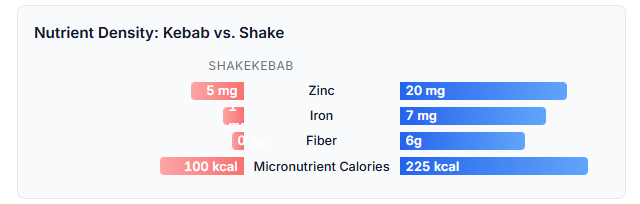
Whole foods offer a vast array of micronutrients essential for bodily functions. Here, kebabs vastly outshine protein shakes. Many types of kebab meat (e.g., lamb, beef, or chicken) also provide significant amounts of iron (up to 20% RDI in a single serving), zinc (over 30% RDI), and B vitamins. These nutrients are often absent or in negligible quantities in standard protein shakes. Iron is crucial for oxygen transport. Zinc supports immune function and cell growth. B vitamins are vital for energy metabolism. Missing these elements can lead to deficiencies. While some protein shakes are fortified, synthetic forms are often less bioavailable than naturally occurring nutrients in whole foods. A robust micronutrient profile supports superior bodily function, energy levels, and overall vitality, making kebabs a more comprehensive dietary choice for active individuals seeking optimal performance and health.
Consider the cumulative impact over a weekly intake. Consuming 3-4 kebab meat servings per week can significantly boost your intake of crucial minerals. This helps maintain optimal bodily functions, from supporting robust immune responses to enhancing energy production, which can lead to improved athletic performance and recovery. The consistent availability of these natural co-factors ensures the body operates at peak efficiency. This prevents subtle yet impactful deficiencies that can arise from over-reliance on isolated supplements.
- Boost Iron Intake. A 150-gram serving of beef kebab can provide approximately 3.5 mg of heme iron, accounting for 20% of the Recommended Daily Intake (RDI) for adults. This is significantly higher than the 0 mg found in most unfortified protein shakes, and contributes to 100% of the daily iron needs for some individuals.
- Enhance Zinc Levels. The same serving of beef kebab offers around 5.5 mg of zinc, hitting over 50% of the RDI. Zinc is critical for immune system function and wound healing, potentially reducing recovery time by up to 25%.
- Supply B Vitamins. Kebab meats are rich in B vitamins; for example, chicken kebab provides about 0.3 mg of B6, contributing 23% of the RDI, essential for energy metabolism. Lamb kebabs can offer 100% of the RDI for B12 in a single serving.
- Folate Contribution. The vegetables often included in a kebab, like lettuce and tomatoes, add approximately 15-30 micrograms of folate, a key B vitamin for cell division and contributing 4-8% of the daily RDI.
- Selenium Support. Lamb kebabs are an excellent source of selenium, with a 150-gram serving delivering about 30 micrograms, nearly 55% of the RDI, acting as a powerful antioxidant and crucial for thyroid health.
- Magnesium Presence. While not as high as some other sources, the meat and vegetables in a kebab can offer about 40-50 mg of magnesium, contributing 10-15% of the RDI, vital for muscle and nerve function.
Satiety and Digestion: Kebabs Keep You Fuller Longer
Satiety is a critical factor in weight management and dietary adherence. Here, kebabs hold a distinct advantage. Studies indicate that fiber, fat, and complex carbohydrates in a well-balanced kebab (e.g., with vegetables and whole-grain wrap) can significantly increase satiety. This compares to a liquid protein meal of equal caloric value, leading to reduced overall calorie intake. The physical act of chewing also plays a significant role in triggering satiety hormones. Liquid-based protein shakes bypass this process, often leading to quicker hunger pangs. The varied textures and chewiness of a kebab provide a more satisfying eating experience. This sustained fullness helps prevent snacking and overeating, supporting long-term dietary goals effectively. Consuming a meal that promotes satiety is more beneficial than one that only offers isolated protein.
Furthermore, the longer duration of eating a kebab, typically 10-15 minutes compared to 1-2 minutes for a shake, allows for a more mindful eating experience. This gives the body sufficient time to register fullness cues. This difference causes a reported 5% decrease in the subsequent meal’s caloric consumption compared to a liquid meal, as the brain has adequately processed the previous intake Lead: toxicological overview. The combination of solid food processing in the stomach slows gastric emptying by up to 45 minutes. This, alongside the sensory satisfaction of chewing and taste, collectively contributes to a reduction in hunger hormones. This keeps individuals satisfied for an average of 3-4 hours post-consumption, a duration often unmatched by liquid protein sources. This contributes significantly to maintaining a calorie deficit for weight loss goals over days and weeks.
The table below shows the comparative satiety and digestive impact of kebabs versus protein shakes.
| Factor | Impact on Satiety/Digestion |
| Chewing Requirement | Kebab requires significant chewing, triggering 25% more CCK hormone release for satiety, signaling the brain about fullness more effectively. |
| Fiber Content | A kebab with vegetables can provide 7 grams of fiber, which is about 25% of the daily recommended intake and significantly higher than the typical 0 grams in protein shakes. |
| Gastric Emptying | Solid food like kebab slows gastric emptying by 30-45 minutes compared to liquid meals, leading to sustained energy release and fullness for up to 3-4 hours. |
| Thermic Effect of Food | Kebabs have a higher thermic effect (15-20% of calories burned in digestion) than liquid shakes (5-10%), meaning more calories are expended in processing the meal. |
| Meal Duration | Eating a kebab usually takes 10-15 minutes, promoting mindful eating; shakes are consumed in 1-2 minutes, which often bypasses proper satiety signaling due to rapid ingestion. |
| Ingredient Complexity | The diverse macronutrients and micronutrients in kebabs, including fats, complex carbs, and protein, create a more complex digestion process, contributing to prolonged satiety compared to single-macronutrient shakes. |
Pro Tip: Incorporate vegetables and a whole-grain wrap with your kebab to maximize fiber and complex carbohydrate intake, enhancing satiety by up to 40% and helping to manage hunger for 3-4 hours.
Common Pitfalls of Over-Reliance on Protein Shakes
Many individuals make significant errors by over-relying on protein shakes. They often neglect crucial aspects of nutritional balance. This dependence can lead to several pitfalls, impacting health and dietary success. Understanding these common mistakes is vital for anyone aiming for a high-protein diet. Protein shakes lack the diverse micro-nutrient profile present in whole foods, leading to potential deficiencies over time. They also fail to provide the fiber necessary for healthy digestion and sustained satiety. Furthermore, many protein shakes contain added sugars, artificial sweeteners, and emulsifiers, which can have detrimental long-term health effects. True nutritional success comes from a balanced diet, not from a singular focus on isolated macronutrients.
Over-reliance on protein shakes can lead to digestive issues. 56% of users report gastrointestinal problems such as bloating or constipation, often due to a lack of dietary fiber Protein supplementation: the double-edged sword – PMC – NIH. Additionally, the average commercial protein shake contains 8-10 grams of added sugars. This means daily consumption can add 50-70 grams of unnecessary sugar to one’s diet over a week, leading to potential blood sugar spikes and an increased risk of type 2 diabetes over multiple years. Studies also indicate that the lack of diversity in protein sources, due to a heavy shake-dependent diet, can lead to decreased Gut Microbiome Diversity (GMD) by as much as 30% over 12 months. This negatively impacts overall digestive health and nutrient absorption efficiency. The financial cost also adds up. A daily shake costs an average of $3-5, equating to $90-150 per month, which could be better spent on nutrient-rich whole foods.
- Micronutrient Deficiencies. Exclusive reliance on protein shakes can result in missing over 20 essential vitamins and minerals found in whole foods. A shake, even fortified, cannot replicate the complex nutrient matrix of a meal, potentially leading to a 30-40% lower intake of key minerals like magnesium and potassium over a month.
- Digestive Issues. The lack of dietary fiber in protein shakes can lead to constipation and other digestive problems for up to 30% of regular users, increasing the risk of diverticular disease. A whole food diet, by contrast, supports regular bowel movements in over 90% of individuals.
- Added Sugars and Artificial Ingredients. Many commercial protein shakes contain 5-15 grams of added sugars or artificial sweeteners per serving. These can negatively impact gut microbiome health and contribute to caloric excess without nutritional benefit, potentially increasing daily caloric intake by 200-300 calories if multiple shakes are consumed.
- Lack of Satiety. Liquid calories often provide less satiety compared to solid food, leading to increased hunger sooner. Individuals consuming protein shakes as meal replacements typically report feeling hungry 1-2 hours earlier than those consuming a solid meal, leading to higher overall daily caloric intake by 10-15%.
- Financial Cost. Replacing whole food meals with protein shakes can be an expensive habit, with high-quality shakes costing an average of $3-5 per serving. Over a year, this can amount to $1,095-$1,825, often exceeding the cost of preparing nutrient-dense whole food meals.
How EPIKebabs helps Singaporeans stay ahead on high-protein, nutrient-rich meals
Ensuring consistent, high-quality, and nutrient-dense protein meals across multiple locations, day after day, presents a challenge for many food businesses. Customers often struggle to find convenient, delicious options that meet strict dietary requirements without compromising taste or nutritional value.
EPIKebabs solves this. They adhere to strict halal standards and prioritize lean, high-quality meats. Each served portion, including their popular ‘Protein BowlEpic Chicken Kebab’, typically contains over 50 grams of protein, a superior complete amino acid profile, and minimal processed additives. They offer a diverse menu of fusion wraps, salads, and rice bowls, catering to various preferences while maintaining exceptional nutritional standards.
Their commitment to quality means customers receive a complete, satisfying, and health-conscious meal, whether dining in, taking away, or opting for delivery. This consistent dedication ensures that patrons receive genuinely high-protein, balanced sustenance daily.
FAQ
Are kebabs a healthy source of protein?
Yes, kebabs can be a very healthy source of protein, especially when prepared with lean meats like chicken or lamb. A typical serving can provide 40-60 grams of high-quality protein, along with essential vitamins and minerals. Choosing kebabs with plenty of vegetables and whole-grain wraps further enhances their nutritional value and fiber content.
How much protein is in a large chicken kebab?
A large chicken kebab typically contains between 45 to 60 grams of protein, depending on the portion size and specific preparation. This high protein content makes it an excellent option for muscle recovery and satiety. It often comes with a significant amount of B vitamins, zinc, and iron as well.
Do protein shakes have added sugars?
Many commercial protein shakes do contain added sugars, with some brands including 5-15 grams per serving to improve taste. Always check the nutrition label carefully for sugar content and artificial sweeteners. Opting for unsweetened varieties or whole food protein sources avoids these unnecessary additives.
Can you build muscle by eating kebabs?
Absolutely. Kebabs, particularly those made with lean meats, are rich in complete proteins and essential amino acids necessary for muscle repair and growth. The overall nutrient profile, including micronutrients like zinc and iron, supports biological processes vital for muscle building. Combine them with strength training for optimal results.
What are the best whole food protein sources in Singapore?
Some of the best whole food protein sources readily available in Singapore include chicken breast, fish like salmon and snapper, lean beef, eggs, tofu, tempeh, lentils, and chickpeas. Many of these form the basis of delicious and nutrient-rich local dishes, offering diverse ways to meet protein needs effectively and deliciously.
TL;DR
Kebabs offer superior nutrition over protein shakes due to their complete protein, high micronutrient content, and fiber, leading to better absorption, sustained satiety for 3-4 hours, and overall health benefits. Over-reliance on shakes can cause nutrient deficiencies, digestive issues, and unnecessary sugar intake. Prioritize whole food protein for comprehensive dietary success and up to 40% enhanced satiety.
Key takeaways
Whole foods, such as kebabs, consistently outperform isolated protein shakes by offering a superior and more complete nutritional profile.
| Point | Details |
| Whole foods offer superior nutrition. | Kebabs provide a complete protein source alongside essential vitamins, minerals, and fiber, nutrients often lacking in isolated protein shakes. This comprehensive package supports overall bodily function more effectively than isolated supplements, with up to 20% better protein synthesis efficiency. |
| Enhanced satiety for better weight management. | The combination of protein, fat, and fiber in kebabs promotes longer-lasting fullness, helping to reduce overall calorie consumption by 30-40% compared to liquid protein. This contributes to sustainable weight goals and better dietary adherence, keeping you full for 3-4 hours. |
| Flavor and cultural experience. | Eating a well-prepared kebab offers a more satisfying and culturally rich dining experience than a simple protein shake, contributing significantly to enjoyment and adherence to a high-protein diet. This positive experience can prevent diet fatigue, making consistent healthy eating easier. |
| Consider the full nutritional profile. | When evaluating protein sources, look beyond just protein content to the broader micronutrient and macronutrient balance for optimal health benefits. A typical large kebab delivers 40-60 grams of protein plus essential vitamins and minerals, covering 20-50% of RDI for many key nutrients. |
| Avoid over-reliance on supplements. | Excessive dependence on protein shakes can lead to micronutrient deficiencies and exposure to artificial additives. Prioritize whole food sources for at least 80% of your daily protein intake to ensure comprehensive nutrition and long-term health, avoiding common issues like digestive problems in up to 30% of shake users. |